AGF Insider: Agnès Bes ON BEST PRACTICES AND THE NEXT BIG THING IN EVENTS SUSTAINABILITY
Welcome to AGF Insider, our insightful series where we bring you monthly interviews with industry experts.
Each month we catch up with an industry leader in the sustainability world to find the current trends and best practices
This month, we catch up with Serielizados Festival’s Coordinator Agnès Bes.
What are the best practices that you are seeing give the best results?
Smart venue partnerships: Hosting the festival in established cultural hubs (like CCCB or cinemas in Barcelona) that already have energy-efficient infrastructures, strict waste-sorting systems, and excellent public transport connectivity.
Audited baseline accounting (A Greener Future): Our best results come from rigorous external auditing. Partnering with the European organisation A Greener Future to perform complete environmental audits and carbon footprint calculations allows us to track real, data-backed metrics rather than relying on guesswork.
What trends are you seeing this year?
Green Riders as an industry standard: Talent agencies, especially international ones, are increasingly attaching environmental requirements (eco-friendly accommodation, zero single-use plastics in dressing rooms, local electric transport) as part of the hospitality riders.
Audience-focused environmental awareness: Film and series festivals are shifting from behind-the-scenes green measures to making sustainability part of the audience experience, using screen time before premieres to promote eco-habits.
Strict data auditing for large events: Public funds and corporate sponsors are moving from "voluntary green checklists" to demanding audited, data-backed carbon footprint reports to release financial brackets.
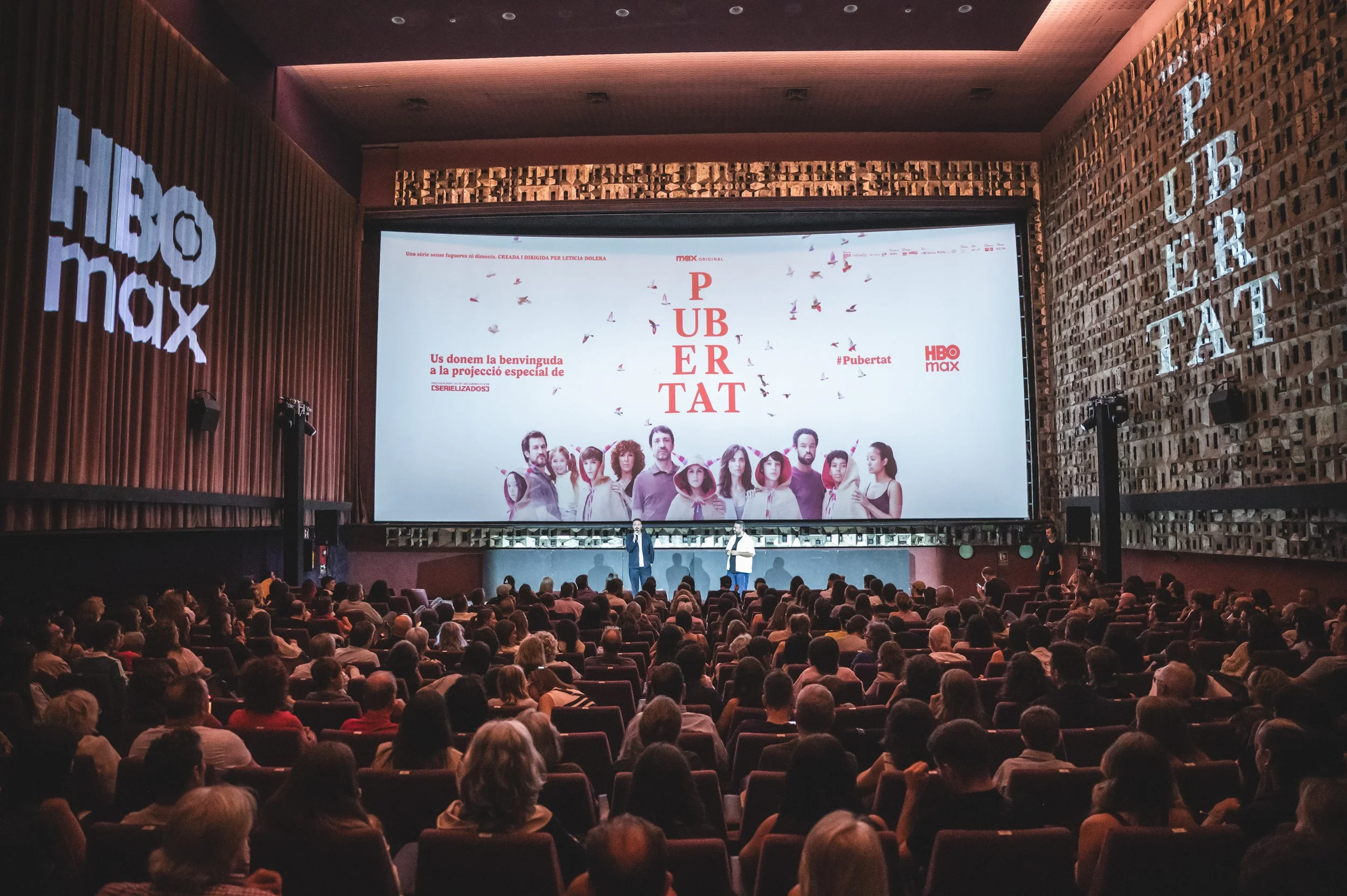
Photo Credit: Serielizados © Víctor Parreño
What are the obstacles?
The international talent paradox: For an international festival, bringing top-tier talent from the US or Europe is essential for box office and press impact, but aviation remains the single largest, hardest-to-offset contributor to our carbon footprint.
Merchandising and branding waste: Festivals inherently rely heavily on physical visibility (photocalls, banners, street signage). Finding local, non-plastic, fully recyclable alternatives that resist autumn weather and still look premium on the red carpet is highly challenging.
Financial pressure vs. green premiums: Eco-certified catering, plastic-free solutions, and electric premium transport fleets carry a financial premium that strains cultural budgets in a compressed economic landscape.
What’s the next big thing in sustainability in events?
Universal, public, and unified European certification frameworks: The next big shift needs to be moving away from fragmented, private green labels towards public, open-source sustainability certification criteria shared across all European cultural funds. Having standardised metrics across Europe would streamline operations, make reporting fully transparent, and allow international festivals to compete on a level playing field.
Shared cultural circularity loops: Cross-festival networks where major local events share, lease, and reuse physical staging structures, technical setups, and backdrop banners, effectively creating a zero-waste loop for large-scale cultural setups.
What would be the biggest game changer from your perspective?
The inclusion of strict green riders in distribution and studio contracts: Right now, green policies are mostly driven by funding bodies and festival organisation. The true game changer would be if major streaming platforms and international distributors mandated that any European premiere or official showcase must adhere to strict eco-certified operational guidelines to secure exhibition rights. Shifting the green demand directly to the top of the commercial value chain would transform the entire festival circuit overnight.
Keep an eye out for next month's edition of AGF Insider, where we'll bring you more expert perspectives and fresh ideas!
