
SERVEWARE
PREVENT PLASTIC POLLUTION
Prevent plastic pollution
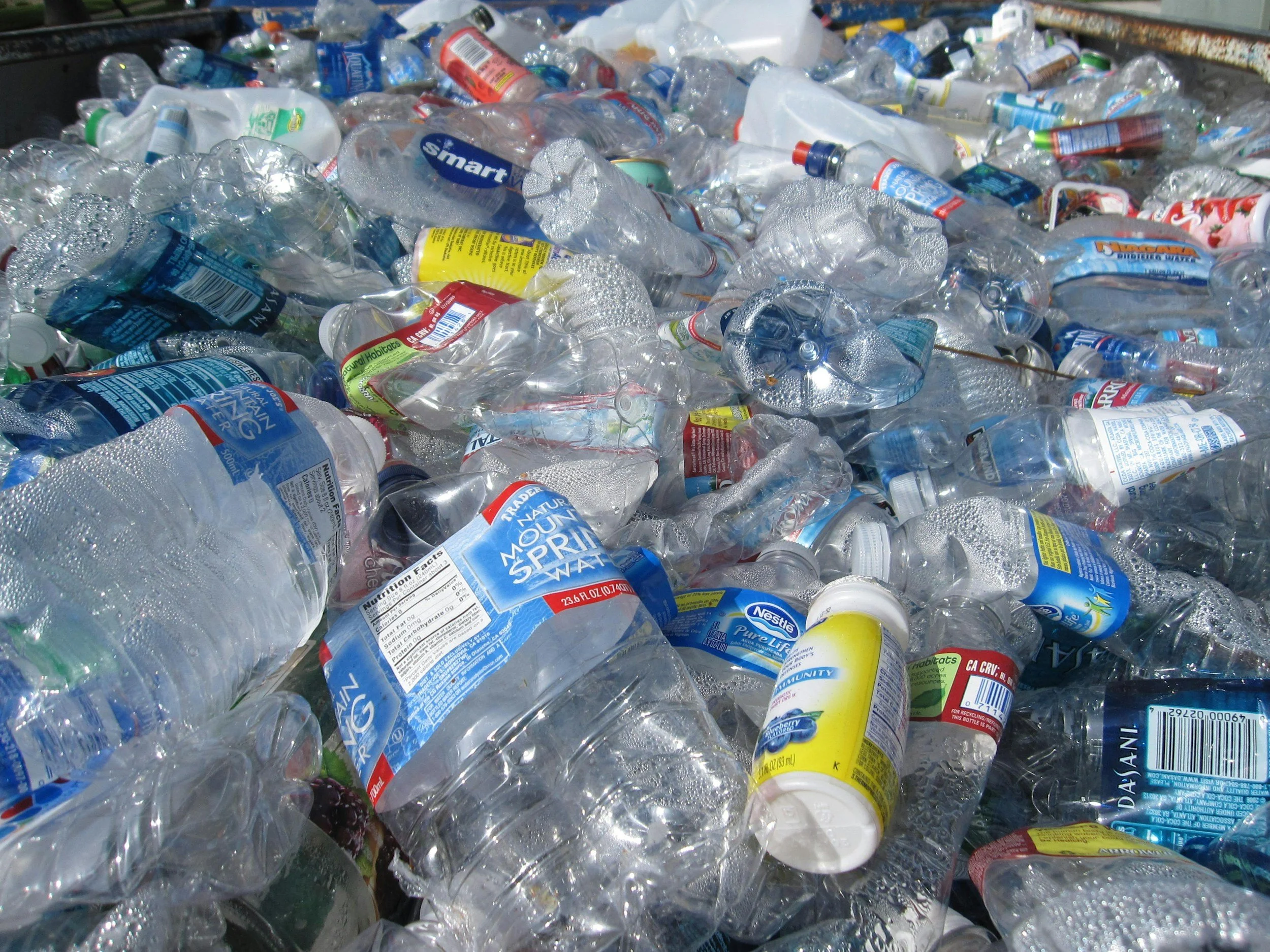
Although refillable bottles have higher environmental impacts during production than single-use PET bottles, their durability and reusability result in substantially lower impacts over their lifetime. Based on one-year use, the climate change impact of PET bottles is 67.54 kg CO₂ eq., assuming the consumption and disposal of two single-use bottles per day throughout the year.
In comparison, refillable bottles have considerably lower impacts, with values of 5.24 kg CO₂ eq. for aluminium, 0.42 kg CO₂ eq. for stainless steel, 0.27 kg CO₂ eq. for glass, and 0.11 kg CO₂ eq. for HDPE. Furthermore, the use of recycled stainless steel could reduce the climate change impact of stainless steel bottles by approximately 90%, lowering the impact to around 0.04 kg CO₂ eq. per year.
Single-use 500ml PET Bottles (2 per day), 67.54 kg CO₂ eq
Aluminium 500ml bottle, 5.24 kg CO₂ eq
Stainless Steel 500ml bottle, 0.42 kg CO₂ eq
Glass 500ml bottle, 0.27 kg CO₂ eq
HDPE 500ml bottle, 0.11 kg CO₂ eq
Recycled Stainless Steel 500ml bottle, 0.04 kg CO₂ eq
While glass is chemically inert and provides excellent taste neutrality, its weight and fragility make it less suitable for field and outdoor environments. From both an environmental, safety and hygiene perspective, recycled stainless steel bottles represent the preferred option. Unlike aluminium bottles, stainless steel does not require an internal chemical liner and, unlike some HDPE plastic bottles, does not leach substances such as BPA or phthalates. Stainless steel is non-reactive, does not retain flavours or odours, and its scratch-resistant surface is less likely to develop microscopic crevices that can harbour bacteria. The material also possesses a self-repairing oxide layer that prevents corrosion and inhibits microbial growth.
Regardless of the bottle material selected, daily washing with soap and water and complete drying are essential to prevent bacterial and mould growth, particularly where water, tea or coffee are left standing overnight. To minimise the environmental impacts associated with cleaning, bottles should ideally be washed in a modern A-rated dishwasher, as this is generally more water- and energy-efficient than handwashing with hot water and detergent.
For further information on all of the above see this article:
https://www.sciencedirect.com/science/article/pii/S001393512502465X
For a sustainable supplier of recycled stainless steel bottles:
Did you bring your travel mug? Remember to wash your mug daily!
When assessed over a one-year functional unit, single-use systems consistently exhibit higher environmental impacts than reusable alternatives. Single-use compostable cups generate approximately 40–90 kg CO₂ eq. per year when assuming two cups per day, depending on material composition and end-of-life treatment.
In contrast, reusable travel mugs demonstrate substantially lower annual impacts once production is distributed across repeated use, with stainless steel mugs contributing approximately 3–15 kg CO₂ eq., aluminium 6–18 kg CO₂ eq., glass 8–25 kg CO₂ eq., and plastic-based designs 3–12 kg CO₂ eq.
Notably, the use of recycled stainless steel can reduce impacts by approximately 90%, lowering emissions to around 0.3–1.5 kg CO₂ eq. per year, making it the lowest-impact option across all assessed scenarios. These results reinforce that reusable systems, particularly those made from recycled stainless steel, provide the most environmentally favourable option over a one-year use period.
Single-use compostable cup (2 per day), 40-90 kg CO2eq
Glass travel mug, 8-25 kg CO2eq
Aluminium travel mug, 6-18 kg CO2eq
Stainless steel travel mug, 3-15 kg CO2eq
HDPE travel mug, 3-12 kg CO2eq
Recycled stainless steel travel mug, 0.3-1.5 kg CO2eq
Sitting In? Please Ask for Reusable Plates and Cutlery
In the same way as using a reusable bottle or mug, choosing reusable plates and cutlery is a simple way to reduce waste and conserve resources. While compostable and disposable items are a better alternative to traditional single-use products, reusable options have a significantly lower environmental impact over their lifetime. By opting for reusables when dining in, you can help reduce waste generation, minimise resource consumption, and support our collective sustainability journey.

SIGN UP.
Become a free member to access these resources and additional materials.