
LOCAL ECOSYSTEMS
LAND DAMAGE
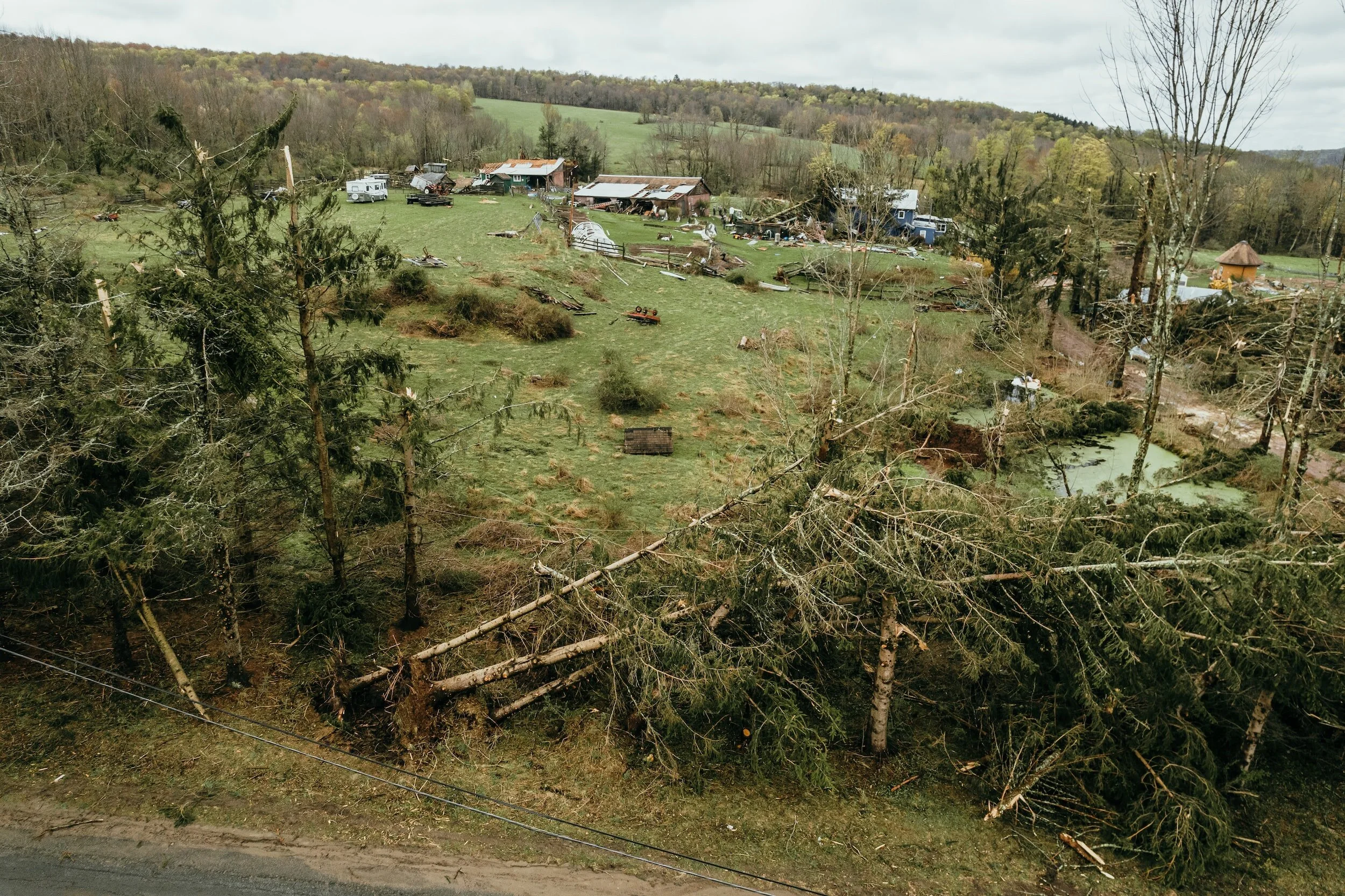
Many events involve the use of green field sites, temporarily transformed into busy centers of activity. They may involve the use of heavy structures, machinery, 100s – 100,000s of feet and 1000’s of cars etc. Some the scale of Glastonbury turn a green field site into a temporary city!
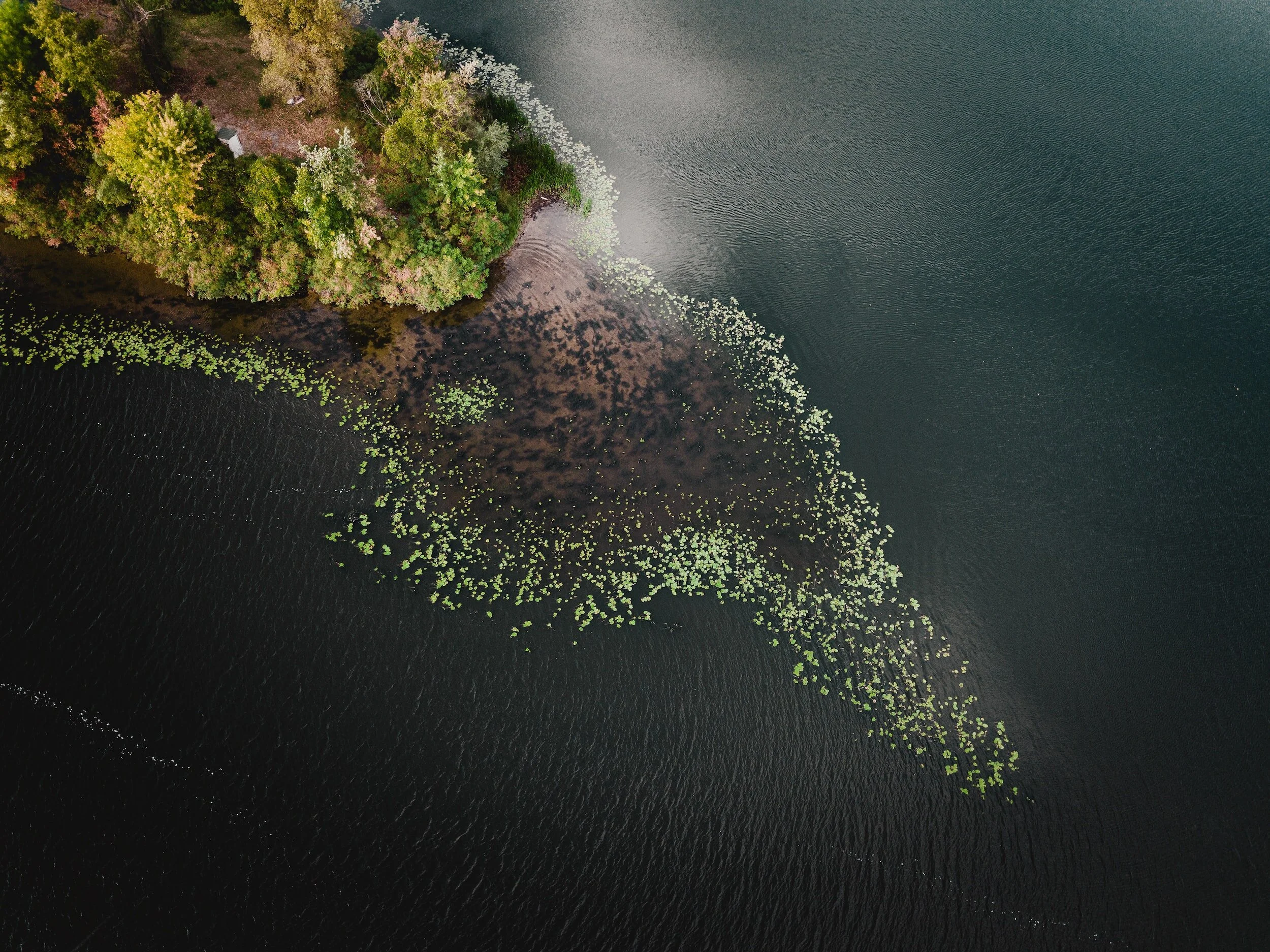
In addition to the physical land itself comes the wildlife who live there.
From an internet survey of 649 festival visitors the following was found with regards to attitudes to waste management at events:
49% of respondents agree or strongly agree that land damage is a negative environmental effect of festivals. 23% chose not sure, and 28% disagreed or strongly disagreed.
5% of the comments made by festival goers related to land conservation:
“Essentially what you are doing is very similar to a camping trip; ideally, each individual should apply the same rules that they would when anywhere else in nature. You are taking something from the land, i.e. your enjoyment, and it deserves to be treated with respect. It would be great to think that everyone tried to apply a ‘leave only footprints’ approach to their time at a festivals, which of course should be mirrored by any traders etc there.”
“The main impact would be making festivals themselves sustainable, by not annoying the locals we are seen as less of a pest by the authorities, and save the land for the future”
“Too many people want to get wasted and have a good time and forget about the real world when, if they are willing to be out in the open then they should appreciate EVERYTHING that comes with the experience. This includes making sure they left the land just as clean as when they arrived with respect and maturity!”
Festival organisers and workers also highlighted measures taken to protect the land they use:
“BGG is very concerned with the environment. All stallholders products are expected to be environmentally friendly, we actively discourage vehicles on site (cars belong in a car park, not with tents), we leave the land as we found it (litter clearing can take up to 2 months after event). We work with the local council and encourage any local environmental organizations to take part.” Jennifer Sundance (stalls co-ordinator BGG, Healing area reception Glasto)
“Many urinals for men to discourage them from urinating against the fence / trees.” Nick Ladd (Glade Festival)
NOISE AT FESTIVALS
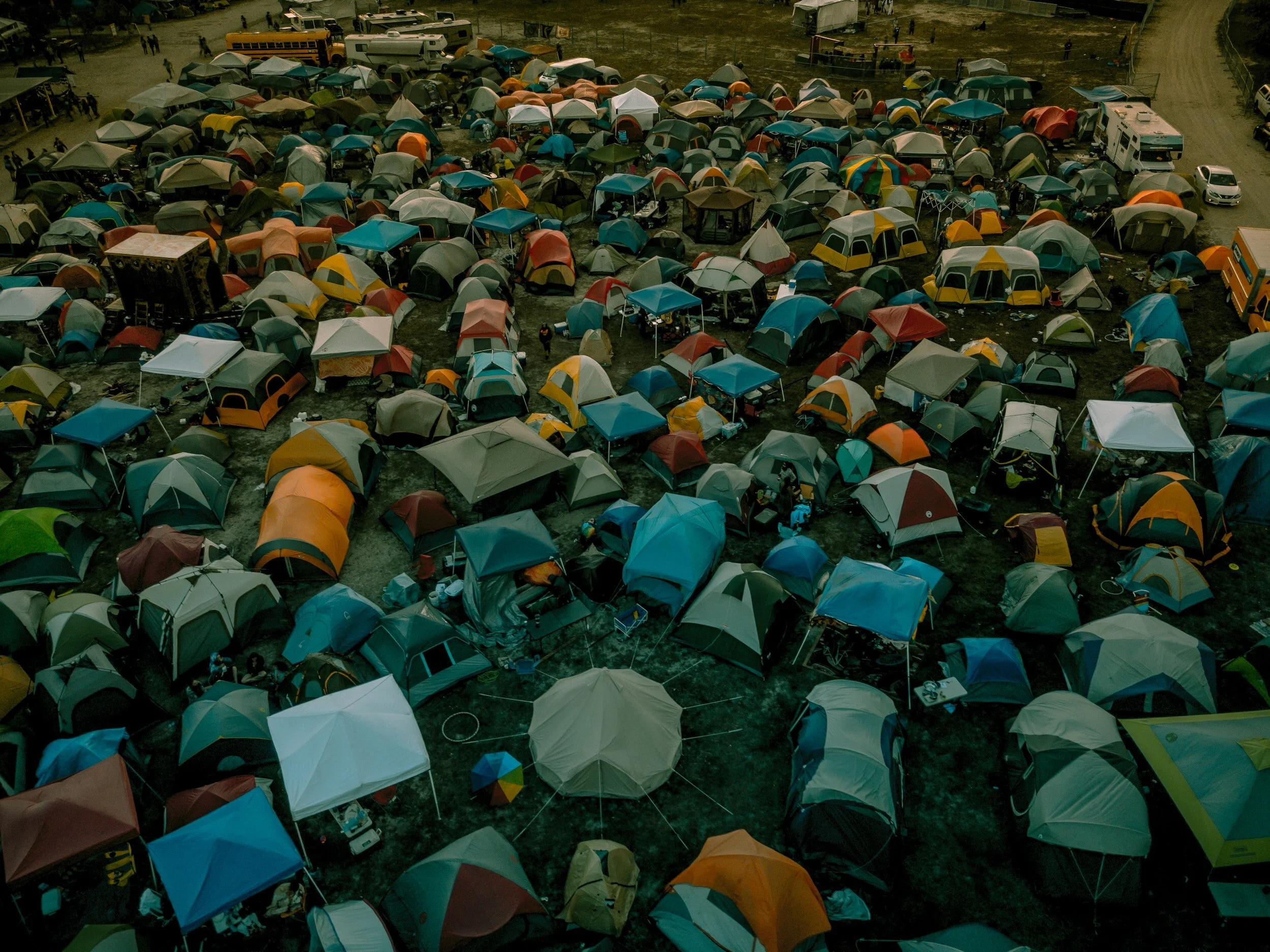
Noise is regularly noted as a major environmental impact of music festivals, particularly in densely populated countries. Management of such events requires careful planning of noise abatement. Environmental Health Department of local authorities currently set and monitor noise levels during events to ensure that agreed levels are not exceeded.
Festivals are noisy – that’s part of the reason why they’re fun! But noise can be a pollutant too.

RESOURCES
Below are some relevant links and advice:
Article-Noise_Annoys an article by A Greener Festival’s Ben Challis from his website, Music Law Updates. (Source: www.musiclawupdates.com )
Dont_Lose_The_Music. Advice sheet by A Greener Festival.
For more information about hearing damage, see: Action On Hearing Loss.
The chapter looks at promoting and assessing sustainability at festivals and focuses on an evaluation of the AGF assessment process using UK and International festival case studies to demonstrate the innovative and transformational impact the scheme has on the social and environmental challenges faced by festivals. There are four festival case studies from Roskilde Festival (Denmark), Das Fest (Germany) Cambridge Folk Festival (UK) and Island Vibe (Australia). In each one the event organisers and environmental managers outline the operational changes made at these events as a result of AGF assessments. They also discuss how the AGF process can change the culture of the festival by helping to embed environmental management into every level of decision making.
Available in early 2019 at

key points
Environmental Health Officers will monitor sound levels to ensure they are within certain parameters as a condition of license.
The Control of Noise at Work Regulations (2005) state that any prolonged exposure to noise of over 85dB in the workplace requires ear protection.
Any noise pollution caused by music festivals is temporary!
Organisers can be fined and refused license if sound levels or times are breached.
Some Events offer to pay for temporary relocation of residents in the immediate locality.
Provide free and discounted tickets to residents within a certain radius of the event (this will usually be done in any case).
Consider sound travel and proximity to local residents when choosing a location.
It is difficult to measure potential sound levels as the paths and distance of sound travel are variable depending upon meteorological conditions.
From an internet survey of 649 festival visitors the following was found with regards to attitudes to waste management at events:
Noise pollution is considered a potential impact by 50% of respondent.
This is the opinion of those visiting the festivals many of whom do actually go for the music. The picture if asking local residents may be somewhat different, as anybody who has attended a festival license hearing will be fully aware of!
Hannah Rossmorris, who deals with licensing and health & safety for Angel Music Group (Global Gathering, HiFi Festival, Escape Into The Park) refers to the noise controls that most Environmental Health Officers set and strictly enforce. Chris Kemp (Dean of Leisure & Tourism, BCUC) also describes the sound monitoring at Milton Keynes Bowl, whereby decibel readings are taken to ensure they do not exceed that set by the environmental health officer. Kemp also highlights the difficulties that organisers face when monitoring or controlling sound as weather conditions will impact upon its travel.
The survey results indicate that monitoring and control of noise is a prominent provision at festivals in the UK.
Three of the festival organisers questioned made reference to Noise pollution and local authority controls to minimise its nuisance. The control that local authorities enforce may be a reason for the lower percentage of festival-goer respondents worried about its impact. One respondent raised the point that noise pollution at festivals is only temporary. For noise disruption over a number of days it may be argued that any lasting damaging effects of this are negligible.

Noisy Nuisance?
Generally noise complaints to Environmental Health Officers have drastically increased over the last 20 years, particularly for road traffic. However, Defra (2005) point out that a rise in complaints doesn’t necessarily mean a rise in actual noise. In another survey conducted by National Statistics showed that of twenty environmental issues, noise pollution was the least worrying to the respondents (Defra, 2002).
Legislation
The issue of health and safety for the hearing of those working at events may be a more suited area for where this issue may lie, as covered by the Control of Noise at Work Regulations 2005.